
 Brij Khandelwal
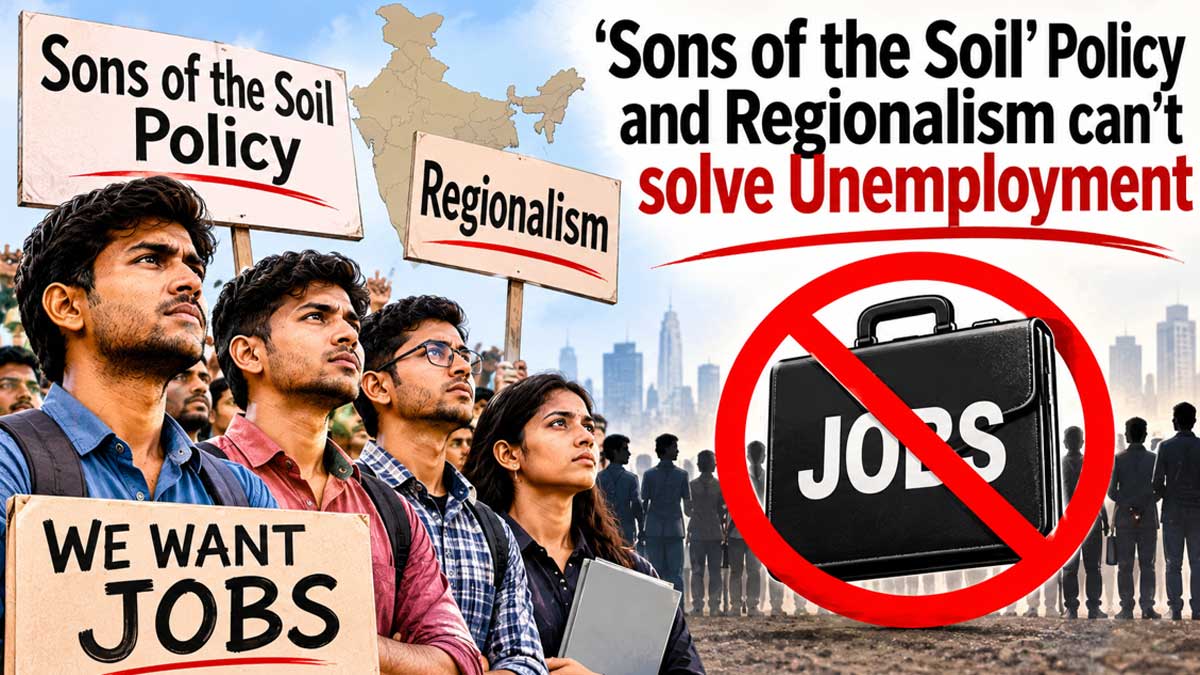
Imagine a bright young engineer from Bihar walking into a job interview at a Bengaluru IT company. He has the degree, the skills and the drive. Then the interviewer asks, "Are you from Karnataka?" A test of talent becomes a test of birthplace.
Karnataka's renewed push for local preference in private-sector jobs, especially in IT, has reopened an old debate. The worries of unemployed local youth are genuine. But does that make fellow citizens from other states outsiders? Is India one nation only until someone leaves home to find work?
Also read: 'क्षेत्रवाद' नहीं है रोजगार की समस्या का हल
The ‘sons of the soil’ argument is simple: locals get first claim on jobs in their state, even when candidates from elsewhere are better qualified. The slogan sells well at election time. Speeches catch fire, and unemployment gets a convenient enemy. But this is not social justice. It is regionalism wearing the mask of public welfare.
The Constitution guarantees citizens the freedom to move and settle anywhere in India, subject to certain legal restrictions. State governments can improve education, fund training, uplift disadvantaged communities and investigate genuine complaints of discrimination. Making birthplace a condition of employment, however, raises serious constitutional and economic questions.
India has been down this road before, and the results were not encouraging. In the 1960s, the Shiv Sena turned fears of job losses among Marathi speakers into a political cause, and South Indian workers became targets. In 2008, the Maharashtra Navnirman Sena went after migrants from Uttar Pradesh and Bihar amid tensions over railway recruitment, jobs and language. Did these campaigns bring a shower of jobs or end unemployment among Maharashtra's youth? No. They spread fear, divided workers and bruised Mumbai's diverse character.
The Mulki movement in Telangana in 1969 and the Assam movement of 1979–85 arose in different circumstances, but they too show how anxieties about jobs, migration and identity can harden into the politics of exclusion. When politicians split citizens into locals and outsiders, the wall never stops at the workplace.
It is also bad economics. Bengaluru became India's IT capital not by demanding regional identity cards, but by drawing engineers, scientists and entrepreneurs from across the country. Companies need capable people, not candidates who pass a political birthplace test. If firms face mounting pressure to put identity above merit, investors may look elsewhere and expand in other states. Local youth would be left with fewer jobs, not more. A government that sets out to protect jobs would end up driving away the very companies that create them.
Karnataka has been here before. In 2024, it proposed reservations for locals in private companies, then put the plan on hold after industry opposition. Similar proposals have surfaced in other states. A spark in one state can start a fire across the country.
The real problem is a skills gap. Too many young people lack the training modern industries demand, and weak education systems and poor coordination between colleges and companies make it worse. The answer is not to shut the door on others but to equip local youth to compete. Give them better skills, not a monopoly over jobs.
Nationalism is more than waving flags and shouting slogans. It means protecting the dignity, rights and freedom of every Indian. A Malayali nurse in Mumbai, a Bihari engineer in Bengaluru and a Tamil worker in Delhi are not outsiders.
They are citizens who help power the country's economy. India's strength lies in unity amid diversity, and turning the struggle for jobs into regional hatred gambles with the nation's future.
Related Items
Millions of young people are educated for jobs that do not exist!
Young Indians are earning new identities through work and skill
Students focus on AI skills while employers push for human skills