
What really creates success in India? A shiny campus with imported furniture and air-conditioned classrooms? Or the hunger to rise, learn, struggle, and survive...
Read More




Brij Khandelwal is a senior journalist.
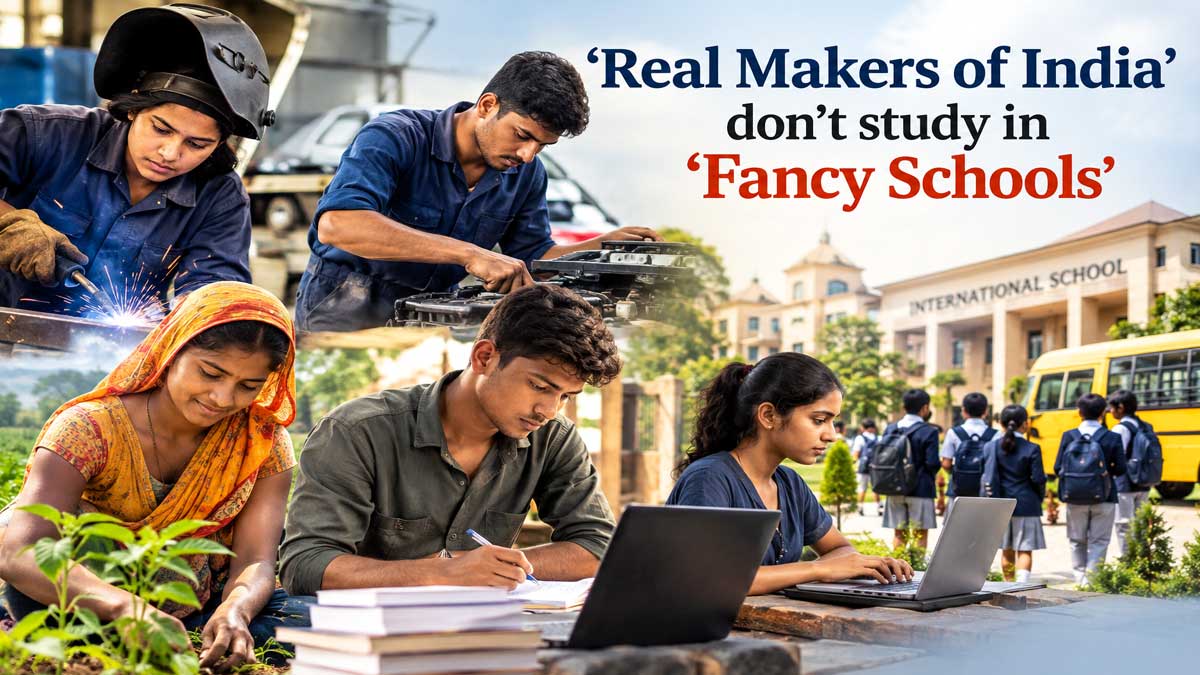
What really creates success in India? A shiny campus with imported furniture and air-conditioned classrooms? Or the hunger to rise, learn, struggle, and survive...
Read More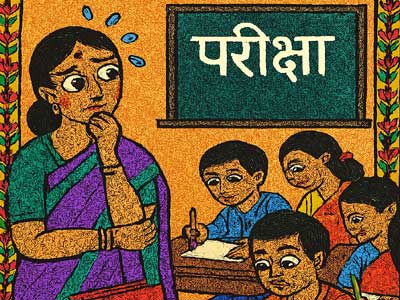
A teacher who cannot speak proper English teaches English grammar. A classroom packed with sixty children runs without a blackboard and a fan in May heat. A B.Ed. topper freezes before noisy students on the first day of school. Parents touch a guru’s feet at weddings, but bargain with school management over teachers’ salaries like vegetable prices. Welcome to the strange contradictions of India’s education system.
Read More
A 28‑year‑old Uday Nath, a heavy bag slung over his shoulder, weaves through traffic toward Defence Colony. Ramesh Choudhary, who came from Bihar, climbs four flights of stairs to deliver groceries. Outside a sweet shop, Babu Lal stares at his phone, waiting for the next order. Economists, cataract-eyed ones, call this the ‘startup revolution’. But is it really a revolution, or merely a digital remake of an old feudal order?
Read More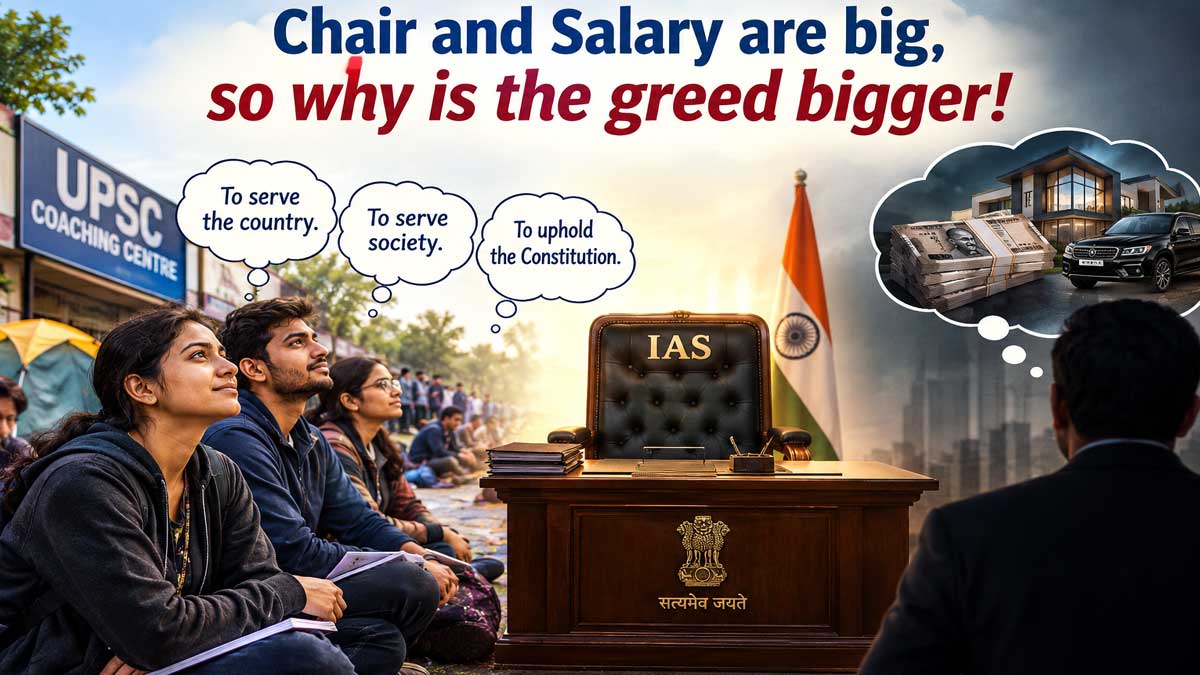
Ask the young men and women camping outside Delhi’s UPSC coaching centres what they want to become. The answer comes quickly: “An IAS officer.” And why? “To serve the country.” “To serve society.” “To uphold the Constitution.”
Read More
A new building stands ready. A gleaming signboard has gone up. Glossy brochures promise the future in bold type: Artificial Intelligence. Data Science. Cyber Security. Machine Learning. Robotics. ‘Admissions Open!’ The names sparkle. Enrol, the pitch suggests, and tomorrow will land neatly in your pocket.
Read More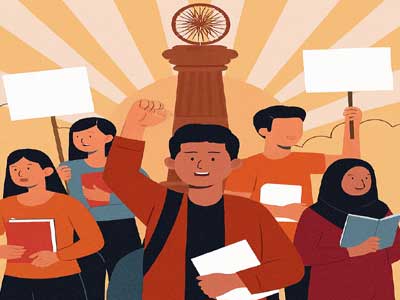
Student unions once occupied a central place in university life across India. Their utility was widely acknowledged. They offered structured avenues for participation beyond the classroom, trained young people in democratic methods, channelled energies into constructive outlets, and linked students with institutional authorities.
Read More


